

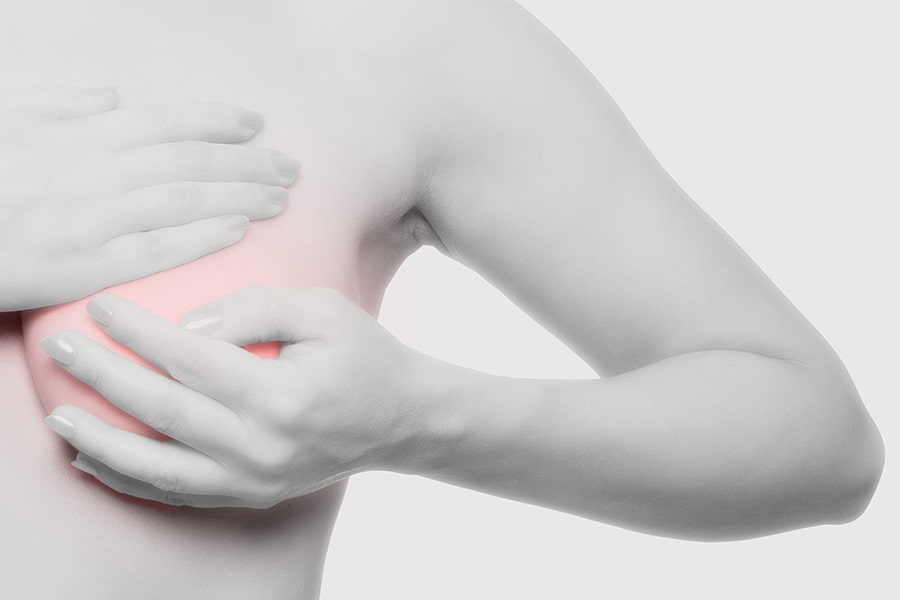
Breast cancer is the most common type of cancer and the one that affects the largest number of women in the West. Specifically, in Spain, approximately 22,000 new cases of this type of cancer are diagnosed each year. In many cases, treatment involves a mastectomy (the complete surgical removal of the breast) or a lumpectomy (the removal of the tumor in the breast and part of the surrounding tissue; this is a partial removal).
In these cases, affected women have the option of considering breast reconstruction. It is vitally important to inform and raise awareness among women who have had breast cancer that there are safe surgical procedures available to reconstruct the breast. It is a very personal decision aimed at improving the quality of life, self-esteem, and appearance of the women affected.
The current trend shows a 7% increase in the number of people undergoing breast reconstruction (about 102,200 women).
Breast reconstruction can be performed immediately (during the same surgery in which the breast is removed) or at a later time, depending on the woman’s preference and the doctor’s recommendations.
There are different techniques for breast reconstruction: reconstruction using tissue expanders ( which involves stretching the skin to make room for the implant during a second surgery) and reconstruction using the patient’s own tissue (abdominal or back tissue).
The areola (using a tattoo or a skin graft from the groin) and the nipple (using skin from the reconstructed breast) are usually reconstructed in a procedure performed after the breast reconstruction.
Ideally, the most appropriate option should be discussed and agreed upon with the oncologist and plastic surgeon, taking into account each individual case.

