

Tummy Tuck in Barcelona
Abdominal surgery to treat excess skin and abdominal fat, strengthen the abdominal wall, and improve body contour.
A tummy tuck is a surgical procedure recommended for cases of abdominal sagging, excess skin, or muscle separation that cannot be corrected through diet, exercise, or other less invasive treatments alone. During the medical evaluation, we’ll examine your abdomen, the condition of your skin, the muscle wall, and your expectations to determine whether this surgery is right for you.
Our goal is to help you regain a flatter, firmer, and more proportionate abdomen, always respecting your anatomy and clearly explaining what results you can reasonably expect in your case.
- + 25 years of experience
- Specialist Plastic and Reconstructive Surgery
- Inquiry 600 Diagonal Ave., Barcelona
- Personalized Personalized and attentive service
On this page:
Please note
DURATION
2–4 hours
ANESTHESIA
General
INCOME
1 or 2 nights
INITIAL RECORD
Progressive
OFF TO WORK
2–3 weeks
VISIBLE RESOLUTION
2–3 weeks once the swelling subsides
FINAL RESOLUTION
To be assessed at 6 months
Who Is a Good Candidate for a Tummy Tuck?
Tummy tuck surgery may be recommended for patients who have excess skin and fat in the abdominal area, a sagging abdomen, or weakness and/or diastasis of the abdominal wall.
This surgery is particularly common among people who have experienced significant changes in the abdomen following pregnancies, weight loss, or other physical changes that have resulted in sagging skin and separation of the rectus abdominis muscles.
It may be indicated in cases such as:
- Diastasis of the rectus abdominis muscles.
- Abdominal apron or sagging belly.
- Excess skin and fat in the abdomen.
- Loss of firmness in the abdominal wall.
- Pregnancy(ies) or significant weight loss.
- No results achieved through diet or exercise.
- Desire to improve the overall appearance of the abdominal area.
- Need to consider surgical correction when the skin does not retract properly.
- Good overall health and stable weight.
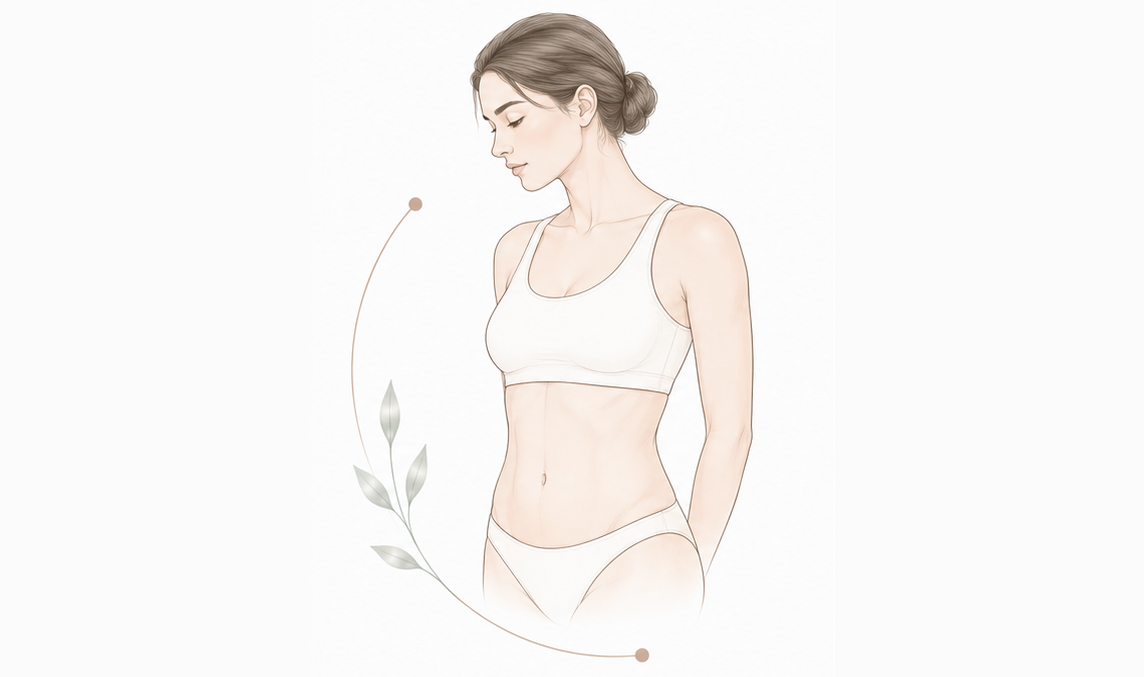
Who is a good candidate?
A good candidate for a tummy tuck is someone in good health, with realistic expectations, and who has ongoing concerns about the appearance or firmness of their abdomen.
During the medical evaluation, we’ll determine whether surgery is the most appropriate option. We’ll also explain what a tummy tuck can correct, what its limitations are, and what the recovery process will be like.
“We’re not trying to change your body, but to help you regain a firmer, more proportionate abdomen that feels right for you.”
What Is a Tummy Tuck?
Abdominoplasty, also known as tummy tuck surgery, removes excess abdominal skin and fat and strengthens the abdominal wall muscles when there is distension or diastasis.
It is not simply a matter of removing excess skin. The planning process must take into account the entire abdomen: the skin, localized fat, the position of the navel, the muscle wall, the waistline, and the resulting scar. The goal is to improve the abdominal contour in a personalized way, respecting each patient’s anatomy and explaining what changes can reasonably be expected in each case.
Tummy Tuck to Improve Firmness, Contour, and Proportion
Tummy tuck surgery aims to improve the firmness of the abdomen and redefine the contour of the area when there is sagging, loose skin, or excess skin and/or fat. The procedure is tailored to each patient’s distribution of excess skin, tissue quality, excess fat, and body proportions.
During the medical evaluation, we will assess whether surgery can help achieve a firmer and more proportionate abdomen, always maintaining realistic expectations and an individualized treatment plan.

Cosmetic Abdominoplasty and Abdominal Wall Repair: Differences
In some patients, abdominoplasty is primarily cosmetic in nature, aimed at treating excess skin and fat and improving the appearance of the abdomen. In other cases, it may also be necessary to reinforce the abdominal wall when there is diastasis of the rectus muscles that support the abdomen or muscle weakness.
The main difference lies in the indication for each case. Therefore, before recommending the procedure, we will assess whether the treatment should focus on body contouring, the abdominal muscles, or both.
.
Initial Visit and Personalized Assessment
Every treatment begins with an individualized medical evaluation. During this initial consultation, we’ll listen to your concerns, what you’d like to improve, and your expectations regarding the surgery.
During the visit, Dr. Barret will evaluate your case on an individual basis and explain which options may be right for you. We’ll also discuss the possible limitations of the treatment, the recovery process, and the factors you should be clear about before making a decision.
What happens during the initial assessment?
What treatment options might be appropriate
What results can you reasonably expect?
What the recovery and follow-up process is like
A personalized quote and financing options
How is a tummy tuck performed?
The technique is tailored to each individual case. Not all patients require the same correction or the same extent of surgery. During the medical evaluation, we will assess the amount of excess skin, the quality of the tissues, localized fat, the position of the navel, and the condition of the abdominal wall to determine the most appropriate option.
The surgery lasts between 2 and 4 hours, depending on the type of correction needed, and is performed under general anesthesia, requiring a 1- or 2-day hospital stay.
Full Abdominoplasty
A full abdominoplasty is one of the most common options when there is significant sagging, excess skin and fat, and/or diastasis of the rectus muscles. It is usually recommended when a large area of the abdomen is affected.
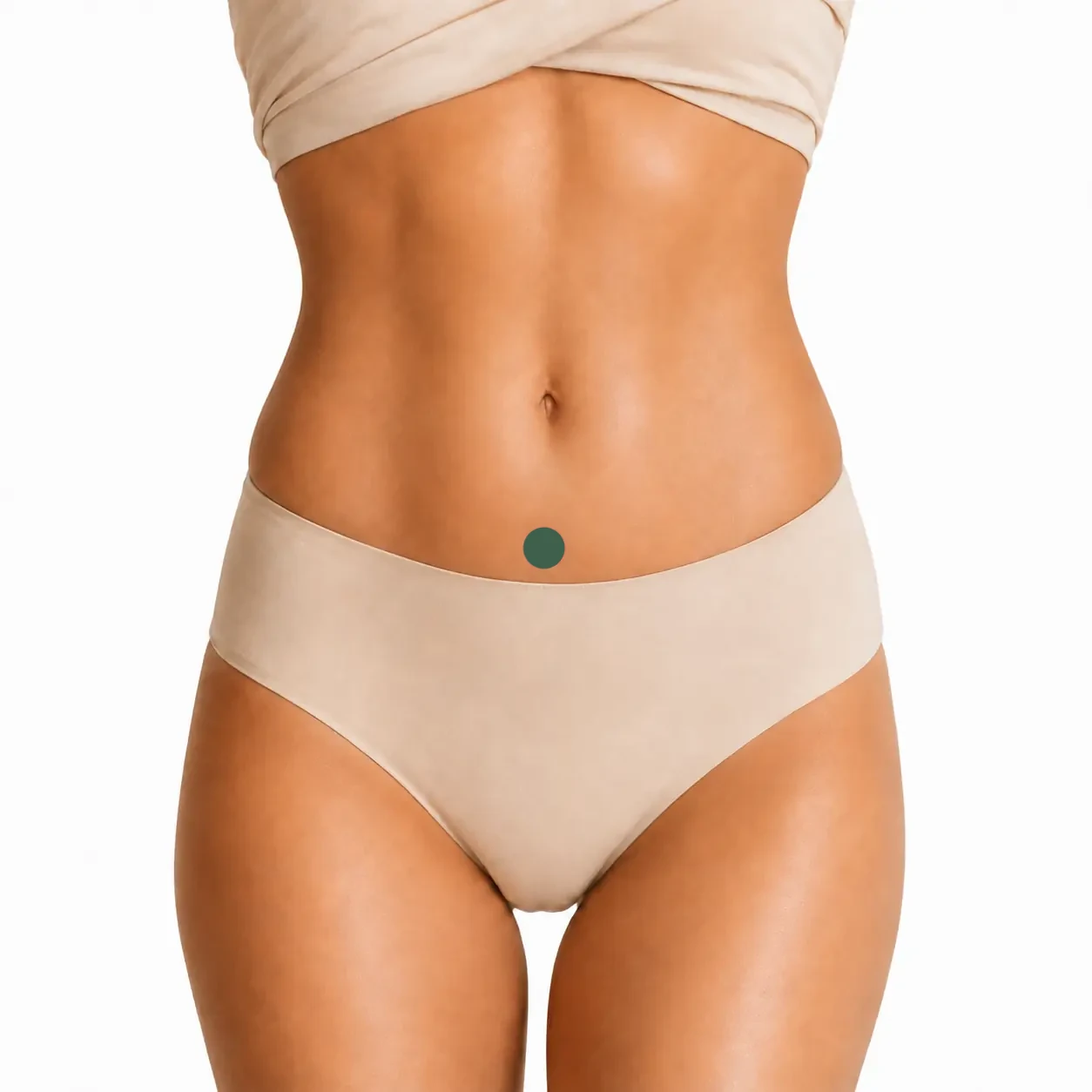
During the surgery, the plastic surgeon makes an incision in the lower abdomen, usually just above the pubic bone, which may extend laterally if necessary. The skin is then separated from the abdominal muscle so that the weakened or separated muscles (diastasis recti) can be tightened and the excess skin and fat removed. Finally, the navel is repositioned if necessary, and the incisions are closed with sutures.
Lipoabdominoplasty
Lipoabdominoplasty may be recommended when, in addition to removing excess skin and tightening the muscles, it is advisable to treat fat deposits with liposuction to improve the abdominal contour and waistline.
During the surgery, the plastic surgeon performs the same procedure as in a full abdominoplasty, adding liposuction at the end of the procedure.
Mini-abdominoplasty
A mini-tummy tuck may be considered in more localized cases, when excess skin or sagging is concentrated mainly in the lower abdomen.
During the procedure, the plastic surgeon makes an incision in the lower abdomen, usually just above the pubic bone, which may extend outward if necessary. The skin is then separated from the abdominal muscle so that weakened or separated muscles (diastasis recti) can be tightened and excess skin and fat removed. Finally, the incisions are closed with sutures. In a mini-tummy tuck, it is not necessary to reposition the navel, as this procedure focuses on correcting fat and skin below the navel.
Reverse Abdominoplasty
A reverse abdominoplasty may be considered in select cases where sagging or excess skin is primarily located in the upper abdomen.
During the surgery, the plastic surgeon makes an incision at the lower part of the breast, following the inframammary fold. The skin is then separated from the abdominal muscle so that it can be tightened and the excess skin and fat removed. Finally, the incisions are closed with sutures.
Recovery, Care, and Results
Recovery from a tummy tuck is a gradual process and requires following the medical team’s instructions.
During the first few weeks, it is common to need relative rest, follow-up visits, and specific care for the operated area.
Patients typically return to work within 2 to 3 weeks, although this may vary depending on the type of work, the surgical technique used, and the individual’s recovery. Physical exertion and exercise should be resumed in accordance with medical instructions.
Recovery After a Tummy Tuck
During the first few weeks, the abdomen may be swollen and feel tight. During this phase, it is important to avoid strenuous activity, attend scheduled follow-up appointments, and follow the medical team’s recommendations.
Postoperative follow-up allows us to monitor your progress, answer any questions you may have, and adjust instructions based on each patient’s recovery.
When will the final results be visible?
The results of a tummy tuck should not be evaluated immediately. Swelling and tissue healing are part of the process, so the improvement in abdominal contour becomes apparent gradually.
Results begin to become apparent as the swelling subsides after 2–3 weeks. Between 3 and 6 months, the scars improve and the abdomen appears flatter, firmer, and more toned, significantly enhancing your figure and self-esteem. The final result, as with any surgery, will take a few more months to fully develop, once the tissues have fully adapted to the procedure.
During your consultation, we’ll explain how the results typically progress based on your specific case, the technique used, and how your tissues respond individually.

Post-Tummy Tuck Care
After the procedure, it is important to follow the guidelines provided by the medical team and attend all follow-up appointments.
The postoperative period varies depending on the type of tummy tuck, but generally includes:
- Use a compression garment to shape and protect the area.
- Sleep on your back with your legs slightly bent.
- Take the prescribed medication.
- Get plenty of rest during the first week, avoiding physical exertion.
- Avoid lifting heavy objects and participating in sports or intense activities for at least 4 to 6 weeks.
- Do not drive for 3 weeks.
Expected Benefits
A properly indicated tummy tuck can improve the abdominal contour, strengthen the abdominal wall, and help restore a more balanced and proportionate body image.
Improvement of the abdominal contour.
It helps treat excess skin and fat in the abdomen when there is sagging or loose skin.
Strengthening the abdominal wall.
When diastasis or muscle separation occurs, surgery can help strengthen the area and improve abdominal firmness.
Improvement in postural problems through muscle strengthening.
Strengthening the abdominal wall can improve certain postures by providing greater support to the upper torso.
Restoring Body Image.
Tummy tuck surgery can help you feel more comfortable with your body, especially after pregnancies or significant weight changes.
Greater self-confidence.
Abdominoplasty can have a positive impact on self-esteem, provided that expectations are realistic and the medical indication is appropriate.
Risks and Possible Contraindications
A tummy tuck is a surgical procedure, and like any surgery, it requires a preoperative medical evaluation, proper planning, and postoperative follow-up.
Like all surgeries, abdominoplasty carries risks:
Hematomas or fluid accumulation (seromas) in the operated area, infections, visible scars or keloids, changes in skin sensitivity, and the possible need for touch-up surgery on the sides of the scar if it is very long due to a large amount of excess skin.
Realistic Expectations
Surgery can improve the abdominal contour and strengthen the abdominal wall, but it is not a substitute for weight loss and does not guarantee a specific result. During your consultation, we will explain what changes you can reasonably expect in your case.
Factors That May Make Surgery Unadvisable
It may not be the right time to undergo a tummy tuck if: You are significantly overweight, have uncontrolled medical conditions, have unrealistic expectations, or, in the case of women, are planning future pregnancies, as these factors can affect the outcome.
Frequently Asked Questions About Tummy Tucks
Tummy tuck surgery is not a weight-loss procedure. It is designed to treat excess abdominal skin and fat, as well as sagging and weakness of the abdominal wall, in selected patients.
A tummy tuck addresses excess skin and can strengthen the abdominal wall. A lipoabdominoplasty combines this correction with liposuction in selected areas to improve body contour. The appropriate procedure depends on each individual case.
A mini-tummy tuck may be considered when the necessary correction is primarily concentrated in the lower abdomen. Not all patients are candidates, so a medical examination is essential.
In patients with rectus diastasis, abdominoplasty may include reinforcement of the abdominal wall. The indication must be confirmed during the evaluation.
The procedure usually lasts about 2 to 4 hours, although this may vary depending on the complexity of the case and the technique used.
The typical length of stay is 1 to 2 nights, depending on the patient’s initial condition and the physician’s judgment.
A return to work usually occurs within 2 to 3 weeks, although this will depend on the type of work, the recovery process, and the medical team’s recommendations.
In general, it is recommended that you avoid physical exercise and sports for one month. After the first month, you can begin participating in sports, with the exception of abdominal exercises. After the third month, you can participate in sports without restrictions.
Generally, starting at 3 weeks, although this will depend on the type of tummy tuck and the individual’s recovery.
A tummy tuck leaves a scar. Its length and location depend on the technique used and the amount of skin that needs to be removed.
In a tummy tuck, liposuction-assisted tummy tuck, and mini-tummy tuck, the scar is hidden in the bikini line. In a reverse abdominoplasty, the scar is located below the inframammary fold. Forehead lift.
It may be indicated for patients who have diastasis or abdominal laxity following pregnancy. It is advisable to discuss the appropriate timing and expectations during a consultation.
We recommend waiting until after you have had children before considering surgery. Hormonal and weight changes could affect the outcome of the surgery.
The price depends on the complexity of the case, the technique required, the duration of the surgery, the hospital stay, and follow-up care. A medical evaluation is required to obtain a personalized estimate.
Specialist responsible for the treatment
Dr. Joan-Pere Barret
Doctor of Medicine and Surgery · Specialist in Plastic, Aesthetic, and Reconstructive Surgery
License No.: 28191
- Head of the Plastic Surgery and Burns Department at Vall d’Hebron Hospital.
- Director of the Face Transplant Program at Vall d’Hebron University Hospital.
- Plastic Surgeon at Hospital CIMA.
Cost of the surgery
HOW MUCH WILL A TUMMY TUCK COST ME?
The price depends on the complexity of the case, the technique required, and whether or not there is a functional component. To receive a personalized estimate, a medical evaluation is necessary.
FINANCING OPTIONS
If you need to finance your plastic surgery or another cosmetic medical procedure, you can do so easily and conveniently through Tu Medicina Financiada.
You can choose the payment plan that best suits your needs.


Schedule an appointment for an initial evaluation
If you’re thinking about having surgery in Barcelona, the first step is a personalized consultation with a plastic surgery specialist.
During the consultation, you’ll be able to explain what you’d like to improve, ask any questions you may have, and learn which options are best suited to your situation. A personalized treatment plan is essential to achieving the results you desire.

