

Deep-Plane Facelift in Barcelona
Deep facial rejuvenation with natural-looking results.
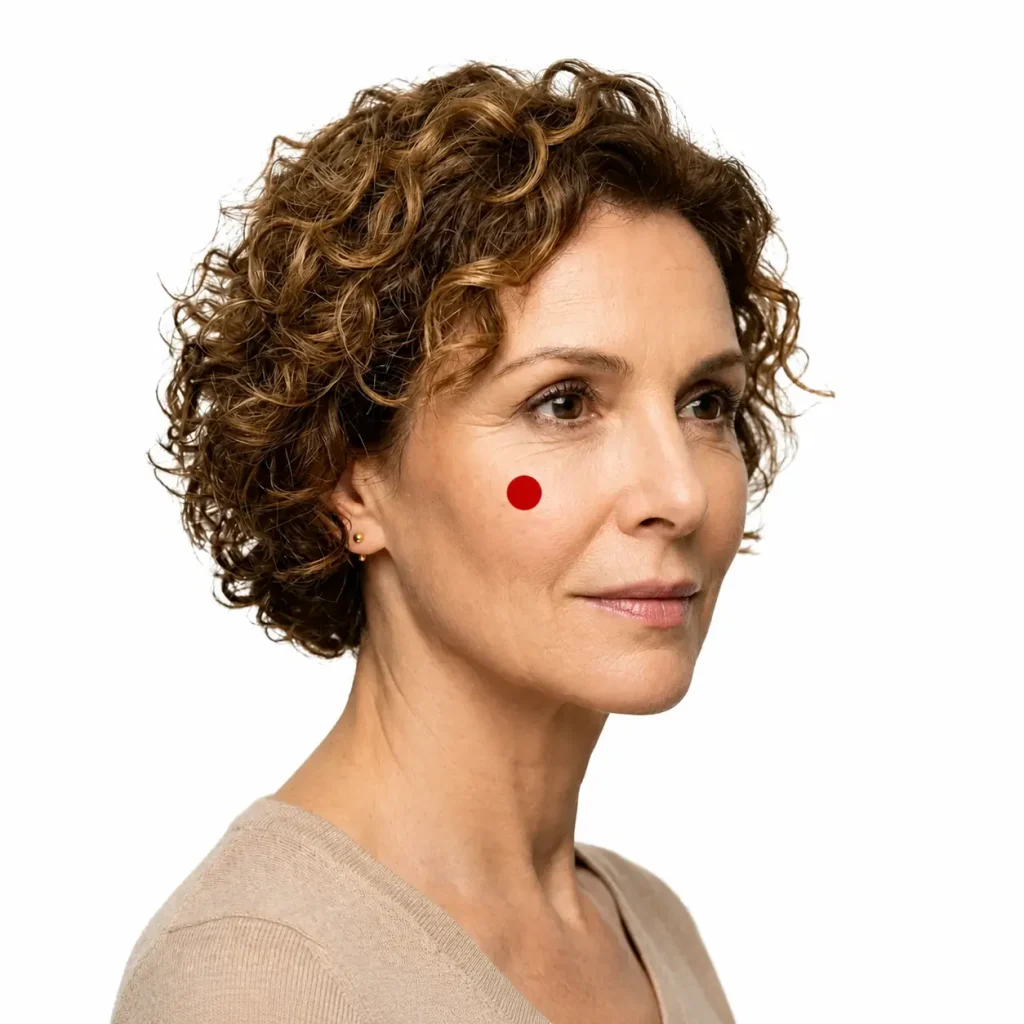
The Deep-Plane Facelift is an advanced facial rejuvenation surgery designed to treat sagging of the face and neck at the deep tissue levels. Unlike other, more superficial approaches, this technique aims to reposition tissues that have descended over time, preserving facial expressiveness and avoiding an artificial appearance.
The goal is not to change the face, but to restore a more rested, firm, and harmonious appearance while respecting each person’s unique features.
- + 25 years of experience
- Specialist Plastic and Reconstructive Surgery
- Inquiry 600 Diagonal Ave., Barcelona
- Personalized Personalized and attentive service
On this page:
Please note
DURATION
5–7 hours
ANESTHESIA
General
INCOME
1 night
OFF TO WORK
3–4 weeks
Who Is a Good Candidate for the Deep-Plane Facelift?
A Deep-Plane Facelift may be recommended for patients who show more pronounced signs of facial aging, especially when there is tissue sagging, a drooping forehead, sagging of the midface, loss of jawline definition, neck laxity, or deep nasolabial folds.
This type of facelift may be recommended for people between the ages of 45 and 70 who are seeking an effective solution to restore firmness and volume without losing the face’s natural expressiveness.
This is an option that must be evaluated on an individual basis, as not all patients age in the same way or require the same type of treatment. During the consultation, we will assess facial anatomy, skin elasticity, tissue position, and the patient’s expectations to determine whether this technique is the most appropriate.
Restoring Facial Definition
This can be a good option for people looking to improve facial definition, especially in areas such as the midface, the jawline, and the neck. By working on the deep planes, the Deep-Plane Lift allows for the structural repositioning of tissues and promotes a firmer, more rested, and harmonious appearance.

Rejuvenation Without Losing Your Natural Look
The Deep-Plane Facelift is designed for those who want to look their best but still recognize themselves in the mirror. The goal is to support the facial rejuvenation process while preserving the face’s natural expression, unique features, and identity, avoiding excessive changes or an artificial appearance.
“Rejuvenate from the source. We reposition internal volumes to define the jawline and neck, restoring the freshness you had years ago without altering your natural features.”
What Is a Deep-Plane Facelift?
The Deep-Plane Facelift is a surgical technique that targets the deep layers of the face, including muscular structures, fascia, fat, and connective tissue. By working on these planes, it allows for the repositioning of tissues that have sagged over time and improves facial sagging in a more comprehensive manner.
This approach differs from techniques that focus primarily on the skin or more superficial layers. By treating the deep facial structure, the results can better integrate with the patient’s anatomy and help avoid an overly tight appearance.
Natural Deep-Plane Facelift: Repositioning Without Changing the Face
The key to the Deep-Plane Facelift is to restore support to the facial tissues while preserving each patient’s natural mobility and facial expressions. The goal is to make the face look fresher, more rested, and more defined, without losing its natural appearance.
During your consultation, we’ll assess which areas have lost support and how that sagging can be corrected to maintain balanced facial proportions.

Deep-Plane Facelift vs. Traditional Facelift: Key Differences
A traditional facelift tends to focus more on the skin or more superficial layers. The Deep-Plane Facelift, on the other hand, works on deeper structures, such as muscles, fascia, fat, and connective tissue, allowing the tissues to be repositioned from their base. This contributes to a more natural appearance and avoids the “tight” look associated with traditional facelifts.
This difference is important because facial aging does not occur solely in the skin: it also involves the sagging of fat compartments, the relaxation of deep tissues, and the progressive loss of definition in certain areas.
Initial Visit and Personalized Assessment
Every treatment begins with an individualized medical evaluation. During this initial consultation, we’ll listen to your concerns, what you’d like to improve, and your expectations regarding the surgery.
During the visit, Dr. Barret will evaluate your case on an individual basis and explain which options may be right for you. We’ll also discuss the possible limitations of the treatment, the recovery process, and the factors you should be clear about before making a decision.
What happens during the initial assessment?
What treatment options might be appropriate
What results can you reasonably expect?
What the recovery and follow-up process is like
A personalized quote and financing options
How is the treatment or procedure performed?
The Deep-Plane Facelift is performed in an operating room under general anesthesia and requires an overnight hospital stay. The procedure requires precise planning and a plastic surgeon with detailed knowledge of facial anatomy and extensive experience in endoscopic techniques and precision surgery.
The incisions are strategically placed to access the deep planes and help ensure that the scars are well-concealed. In the upper part of the face, they may be located on the scalp, while in other areas they typically follow the natural creases around the ear.
Deep Incision into Facial Tissues
During surgery, the deep facial tissues are released and repositioned. This step allows for the correction of facial sagging from a structural foundation, rather than relying solely on skin tension.
The surgical plan can be tailored to each patient’s needs, taking into account the midface, the jawline, the perioral area, and the neck.
Endoscopic technique and surgical precision
When an endoscopic approach is used, smaller incisions are made, and a camera is used to guide the procedure. This allows for precise work in complex anatomical areas and can promote a more controlled recovery.
The decision to use this technique should be made following a medical evaluation, based on the characteristics of the face, the degree of sagging, and the treatment goals.
Recovery After a Deep-Plane Facelift
Initial recovery usually occurs during the first few weeks.
Most patients can resume their daily activities (except for strenuous exercise and sports) after about 10–15 days.
A return to work usually occurs between 3 and 4 weeks, depending on the type of work and the individual’s recovery.
During this period, it is important to attend the scheduled follow-up appointments, follow the prescribed aftercare instructions, and avoid activities that could interfere with healing.
When will the final result be available?
Improvement begins to be visible as swelling and bruising subside after 2 or 3 weeks. Even so, the results continue to improve gradually.
The final result is usually assessed between 10 and 12 months, once the tissues have adapted and any residual swelling has subsided.
It is important not to jump to conclusions and interpret the final result too soon.
Post-Deep-Plane Facelift Care
After the procedure, the surgeon will provide guidelines regarding care, rest, hygiene, medication, and follow-up visits. He or she will also explain when it is safe to resume physical exercise and other regular activities.
In general, this includes:
- Get plenty of rest and keep your head elevated to reduce swelling.
- Eat a soft diet during the first week.
- It is essential to maintain good hygiene to prevent infections.
- It is very important to take the prescribed medication.
- Avoid sports, intense exercise, and strenuous activity.
- Undergo Vodder or Indiba® manual lymphatic drainage sessions to help reduce swelling more quickly.
- Scars should be protected from the sun.
Expected Benefits
Comprehensive Facial Rejuvenation
It allows for the treatment of various signs of facial aging in a single procedure, particularly tissue sagging, laxity, and loss of definition.
Natural-looking results
When repositioning the deep layers, the goal is to achieve a harmonious improvement without altering facial expression or creating an overly taut appearance, thereby avoiding the “stretched skin” effect of a traditional facelift.
Improved facial definition
It can help restore firmness to the jawline, improve the midface, and soften the appearance of facial sagging.
Minimally Invasive Technique
Endoscopy allows the procedure to be performed through small incisions and with less surgical trauma than a traditional facelift.
Structural Treatment for Sagging Skin
The technique targets deep tissues, going beyond simply tightening the skin. This allows for a more comprehensive anatomical approach to aging, resulting in a more durable lift that prevents future sagging of the tissues.
Discreet Scars
The incisions are planned in areas that are not easily visible, such as the scalp and the folds around the ear, to help ensure that the scars become less noticeable over time.
Risks and Possible Contraindications
Infection
As with any surgery, there is a risk of infection. For this reason, it is important to follow the postoperative instructions and attend all scheduled follow-up appointments.
Changes in Sensitivity
Reduced, increased, or altered sensation may occur in certain areas of the face. The progression of these symptoms should be evaluated during follow-up visits.
Minor asymmetries
After surgery, minor asymmetries may appear that may require touch-ups.
Poor Healing
Although the incisions are placed in strategic areas, the quality of the scar may vary depending on the patient, their aftercare, and their skin type.
Frequently Asked Questions About the Deep-Plane Facelift
The Deep-Plane Facelift works on the deep layers of the face, while other approaches may focus more on the skin or superficial tissues. This difference allows for better repositioning of structures that have sagged over time.
The goal is to achieve natural-looking rejuvenation while preserving the patient’s unique facial expressions and features. A medical evaluation is key to planning a balanced outcome.
It may be considered for patients with clear signs of facial sagging, typically between the ages of 45 and 70. Age is not the only criterion: anatomy, skin quality, and the degree of facial aging also play a role.
Initial recovery typically progresses over the first few weeks. Patients usually return to work between 3 and 4 weeks, depending on the type of work and individual progress.
The improvement becomes noticeable gradually, but the final result is usually assessed between 10 and 12 months, once the tissues have settled.
The incisions are made in strategic areas, such as the scalp and the natural creases around the ear. Over time, they tend to become less noticeable, although healing varies from patient to patient.
In some cases, it can be combined with other facial surgery procedures, such as blepharoplasty, rhinoplasty, mentoplasty, or complementary treatments. This decision should be made following a personalized medical evaluation.
It is a good idea to request an evaluation if you notice sagging in the face or neck, loss of jawline definition, sagging of the midface, or facial aging that does not improve with less invasive treatments.
Specialist responsible for the treatment
Dr. Joan-Pere Barret
Doctor of Medicine and Surgery · Specialist in Plastic, Aesthetic, and Reconstructive Surgery
License No.: 28191
- Head of the Plastic Surgery and Burns Department at Vall d’Hebron Hospital.
- Director of the Face Transplant Program at Vall d’Hebron University Hospital.
- Plastic Surgeon at Hospital CIMA.
Cost of the surgery
HOW MUCH WILL IT COST ME?
To receive a personalized quote, a preliminary medical evaluation is required. During the consultation, we will explain which treatment is recommended, what results you can expect, and what the recovery process will be like.
FINANCING OPTIONS
If you need to finance your plastic surgery or another cosmetic medical procedure, you can do so easily and conveniently through Tu Medicina Financiada.
You can choose the payment plan that best suits your needs.


Schedule an appointment for an initial evaluation
If you’re thinking about having surgery in Barcelona, the first step is a personalized consultation with a plastic surgery specialist.
During the consultation, you’ll be able to explain what you’d like to improve, ask any questions you may have, and learn which options are best suited to your situation. A personalized treatment plan is essential to achieving the results you desire.

